in acetone, undergoes reaction with each of and . The rates of the reaction vary as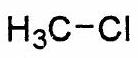
P 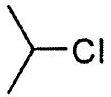
Q 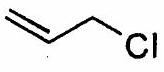
R 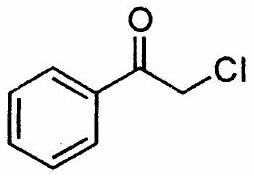
S
- (A)
- (B)✓ Correct
- (C)
- (D)
Answer: (B)
Solution
In reactions, the rate depends on steric hindrance at the carbon bearing the leaving group. Less hindered substrates react faster.
P: Primary alkyl chloride (least hindered)
Q: Secondary alkyl chloride (more hindered)
R: Allylic chloride (resonance stabilization, but still primary)
S: Benzylic chloride (resonance stabilization, primary)
Benzylic and allylic halides react faster than simple alkyl halides due to stabilization of the transition state. The order is: (benzylic) > (primary) > (allylic) > (secondary).
JEE Advanced · 2013 · 02 Jun 2013 · Paper 1 · Single correct option