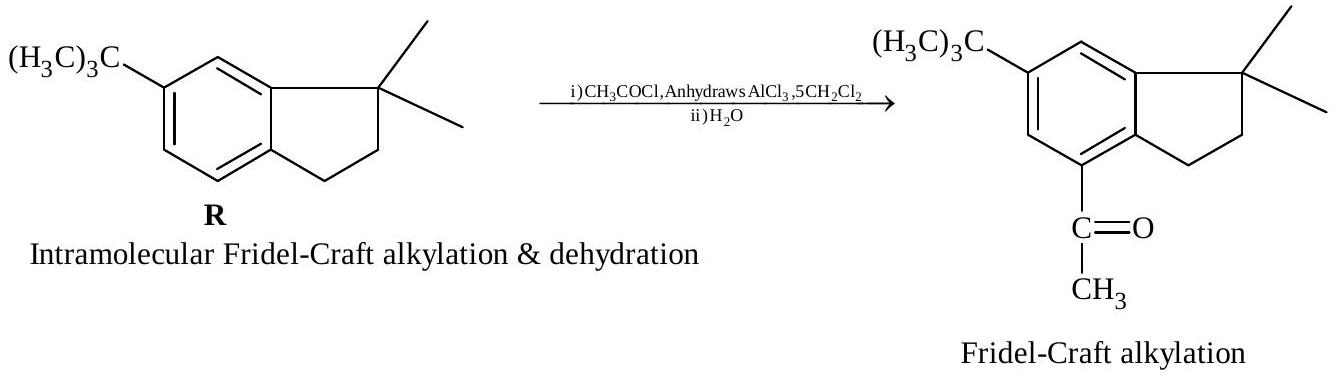
The reaction of compound P with CH3MgBr (excess) in (C2H5)2O followed by addition of H2O gives Q. The compound Q on treatment with H2SO4 at 0∘C gives R. The reaction of R with CH3COCl in the presence of anhydrous AlCl3 in CH2Cl2 followed by treatment with H2O produces compound S. [Et in compound P is ethyl group]
(see structure)
The product S is
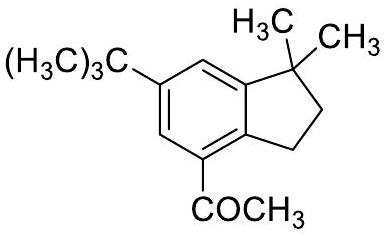
(A)(see structure)✓ Correct
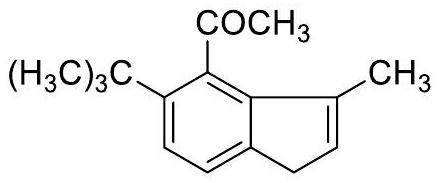
(B)(see structure)
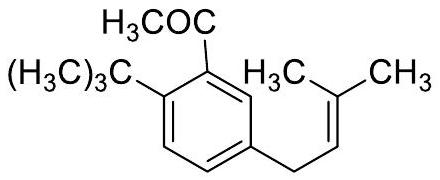
(C)(see structure)
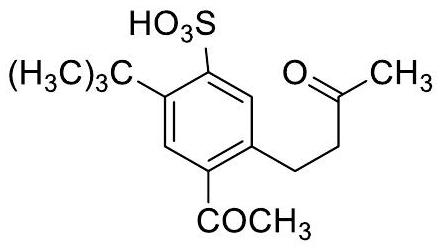
(D)(see structure)
Answer: (A)
Solution
P (a tetralone derivative) reacts with excess CH3MgBr (Grignard reagent). The ketone is converted to a tertiary alcohol Q with two methyl groups added.
Treatment of Q with H2SO4 at 0°C causes dehydration, forming an alkene R through intramolecular Friedel-Crafts alkylation, creating a new ring.
Friedel-Crafts acylation of R with CH3COCl and AlCl3 introduces an acetyl group at the most activated position of the aromatic ring, giving S.
The product S is the tricyclic structure with a tert-butyl group and an acetyl substituent as shown in option [A].
JEE Advanced · 2017 · 21 May 2017 · Paper 2 · Single correct option